
By Winnie Onu, Makurdi
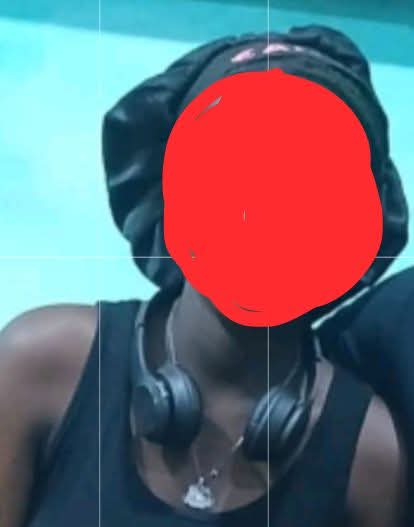
An 18-year-old Benue girl has narrated how she and three other young women were trafficked to Mali under the disguise of sachet water vendors, a cover she says was used to move them unnoticed before they were eventually forced into sexual exploitation.
The survivor, whose identity is being protected for safety reasons, spoke shortly after her return to Makurdi following months in captivity in Mali, where she alleges she was exploited, abused and confined by traffickers.
According to her, the operation began in March 2026 when a pregnant woman from Benue allegedly approached her and the other girls with promises of overseas jobs and better living conditions.
She said the promise of employment appeared convincing, especially as all four of them were struggling financially at the time.
The victim explained that they left Benue State together and travelled through Otukpo, Enugu and Lagos, believing they were on a legitimate journey arranged for work abroad.
She said the real deception became clearer in Lagos, where they were instructed to disguise themselves as sachet water vendors.
“We were told to carry pure water and walk like sellers so nobody would suspect us,” she recalled.
According to her, rubber containers filled with water were given to them, and they were forced to move around Lagos streets pretending to be petty traders while awaiting further movement instructions.
The survivor said the disguise was used to avoid suspicion from security agencies and passers-by, as the traffickers claimed authorities such as the EFCC were monitoring suspected movements.
She further alleged that shortly after, they were taken into a secured house where they were locked indoors and warned never to step outside.
From there, she said their journey continued through illegal routes, with traffickers moving them in stages across borders into the Republic of Benin and onward toward Mali.
The victim alleged that throughout the movement, they were repeatedly told to maintain silence and follow instructions strictly to avoid arrest or detection.
At several checkpoints, she claimed, they were moved away on motorcycles through bush paths while vehicles carrying them waited ahead to avoid security inspection.
She also alleged that falsified identity cards were later produced for them, bearing different ages and state of origin.
“We did not know who we were anymore. They changed everything about us on paper,” she said.
Upon arrival in Mali, the victim said the disguise and pretences ended as they were handed over to different “madams” who immediately seized their phones and travel documents.
She said it was at that point she realised they had been trafficked for sexual exploitation rather than the promised jobs.
According to her, the girls were forced into commercial sex work under strict control, with earnings collected daily by their handlers.
She alleged that they were made to work long hours at night and were subjected to constant intimidation and physical abuse.
“We were not free at all. If you refused, they would beat you,” she said.
The survivor further claimed that they were fed once daily and lived under harsh conditions that made escape seem impossible.
She also alleged that debts were imposed on them, making it difficult for victims to leave even after generating significant income for their handlers.
The victim said she personally earned close to one million CFA francs but was still not allowed to leave.
“I was still not free even after everything I had worked for,” she said.
She eventually escaped after secretly contacting someone in Nigeria who helped coordinate her return home.
According to her, she took advantage of a moment when her handler was intoxicated to quietly leave the environment under the pretext of going out briefly.
She described the area as remote and difficult to access, adding that many other Nigerian girls remain trapped in similar conditions.
The survivor warned that traffickers continue to use deception and disguises, including harmless-looking street activities, to move victims across borders.
She urged young women to be cautious of job offers that require immediate travel without proper verification.
Back in Nigeria, she said she is determined to rebuild her life and pursue skills training to become self-reliant.
The victim was received in Makurdi by the General Manager of Benue Links Nigeria Limited, Comrade Alexander Fanafa, who facilitated her return.
Fanafa on his part urged authorities and stakeholders for stronger action against trafficking networks operating across Nigeria and West Africa, noting that many victims are still unaccounted for.
