
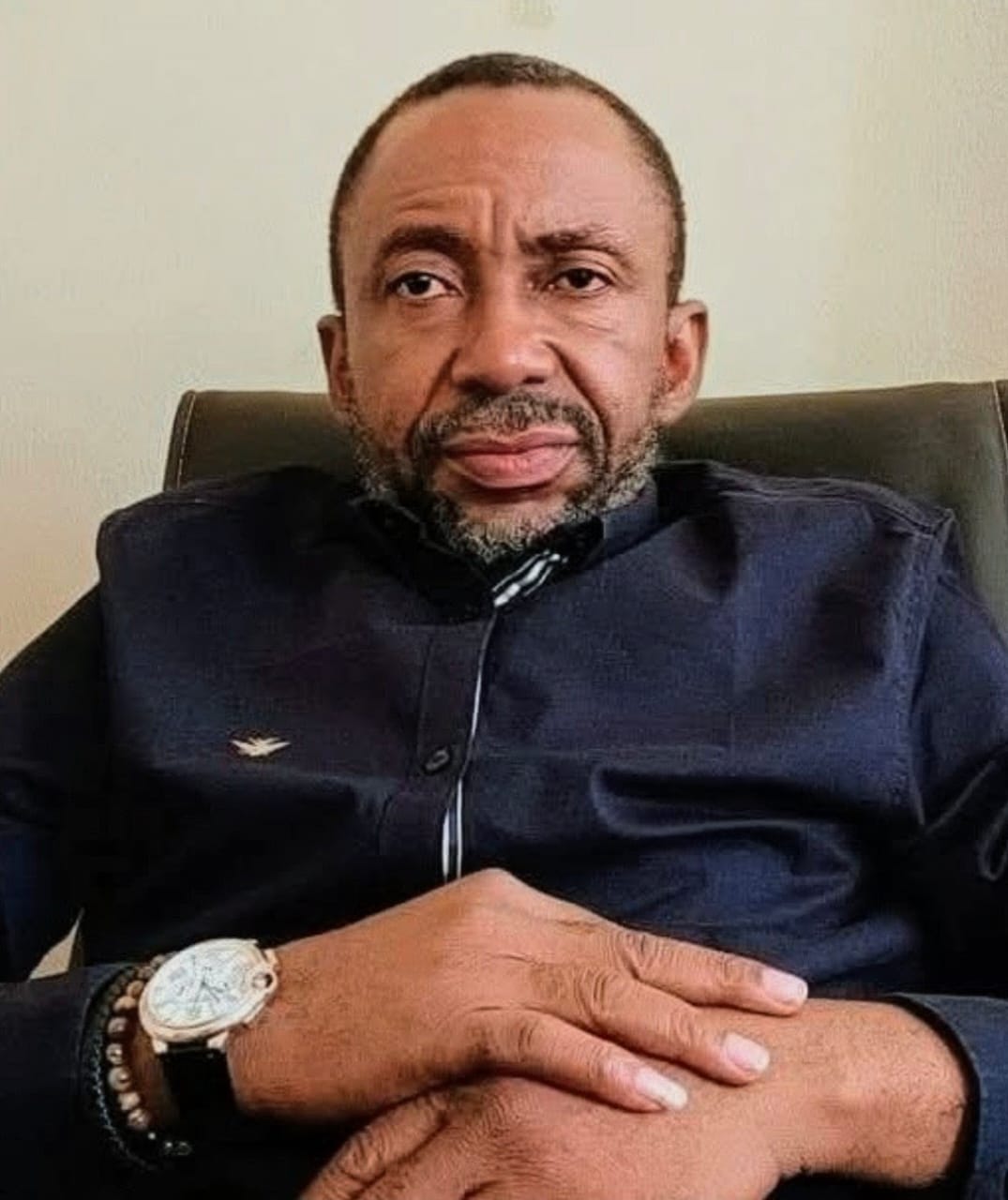
By Winnie Onu, Makurdi
The proposed Federal Government ranching programme has triggered fresh concerns in Benue State, with a Peoples Democratic Party (PDP) State Assembly candidate, Bemgba Iortyom, demanding clarification from Governor Hyacinth Alia on whether the state has agreed to participate in the scheme.
Iortyom, who is the PDP candidate for Mata State Constituency, said the proposed National Ranching Policy could create fresh tension in the state if it involves the acquisition of ancestral land belonging to farming communities for government-established settlements.
Recall that the Minister of Livestock Development, Alhaji Idi Mukhtar Maiha, had announced that Benue was among the states selected for the pilot implementation of the policy, which is expected to provide grazing reserves with housing, veterinary clinics, schools, healthcare facilities, water and solar power infrastructure for herders and their livestock.
Reacting to the development in a statement at the weekend, Iortyom said the proposal required urgent clarification, particularly on the source and ownership of land to be used for the project.
He said the federal government must explain whether the proposed model was different from the controversial RUGA settlements and other livestock policies rejected by Benue during the previous administration.
Iortyom noted that, livestock production is a private business and those engaged in it should acquire land lawfully and establish ranches without imposing the cost on farming communities.
He said it would be unfair for government to provide housing, schools, clinics, water and other infrastructure for special livestock settlements in communities where residents had continued to suffer from poor access to basic amenities.
He also questioned the proposed policy’s focus on herders without adequate consideration for farmers who had lost lives, farms and property to attacks associated with the farmer-herder crisis.
The PDP candidate said any government intervention aimed at resolving the crisis must involve representatives of affected farming communities, traditional institutions and landowners.
He further warned against attempts to revive old grazing routes and reserves, arguing that population growth and the expansion of settlements and farmlands had significantly altered land-use realities in the state.
Iortyom noted that Benue already had a legal framework governing livestock production through the Open Grazing Prohibition and Ranches Establishment Law, 2017.
He said the law did not ban livestock production but prohibited open grazing and provided for ranching as a means of promoting livestock farming while protecting farming communities.
He, however, accused the Alia administration of failing to enforce the law effectively, saying the development had contributed to the continued vulnerability of rural communities.
Iortyom therefore challenged Governor Alia to state whether his administration had consented to Benue’s inclusion in the federal government’s ranching programme.
“If the governor has not consented to include Benue in the proposed policy for herders’ colonies, he must publicly state so, to keep the minds of the people at rest,” he said.
He asked the governor to disclose the location of any land offered for the project, identify its owners and explain whether the affected communities had been consulted.
He also demanded to know whether the Benue State House of Assembly had approved any agreement concerning the proposed ranching scheme.
Iortyom warned that any attempt to establish government-funded livestock settlements without broad consultation could further heighten tension in a state already traumatised by years of attacks.
He urged the governor to make his position known promptly, saying silence on the matter could create the impression that the state government had consented to the proposed policy.
